Best Approaches for Safe and Humane Wildlife Removal Solutions
Proper wildlife removal necessitates a well-rounded method that focuses on humane and safe practices. Metropolitan regions commonly struggle with various animal species. Recognizing these frequent issues is critical for successful wildlife management. Using compassionate trapping methods and appropriate relocation approaches can greatly reduce stress for the animals. Property owners can likewise contribute to prevention efforts. Grasping these approaches can result in improved harmony with nearby wildlife, however the nuances of execution are essential.
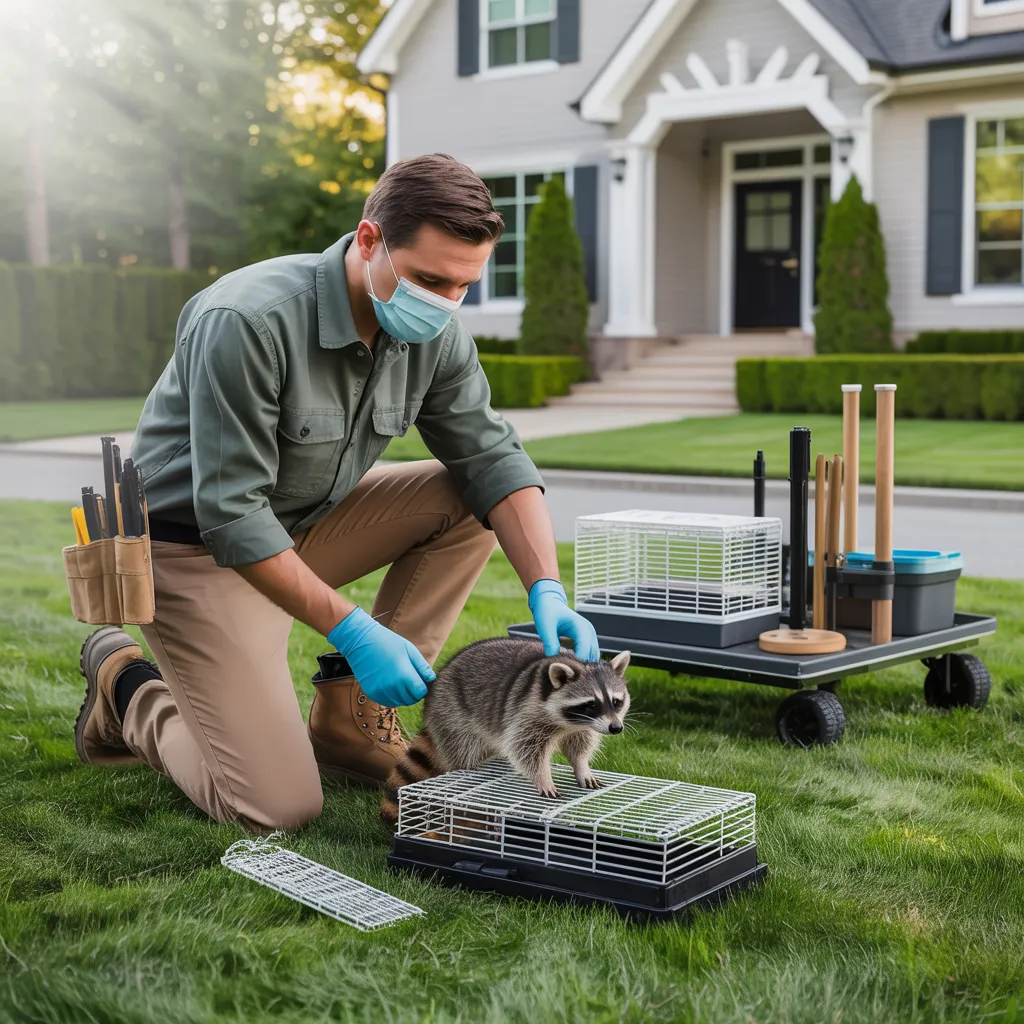
Recognizing Typical Wildlife Issues in Urban Environments
As cities continue to grow, they frequently experience a range of animal-related challenges that can impact both natural habitats and daily human activities. Frequent concerns involve the encroachment of raccoons, squirrels, and pigeons, which frequently search for food and shelter in neighborhoods. Raccoons are notorious for searching through trash, while squirrels are capable of causing harm by settling in attics or destroying electrical cables. Pigeons present health hazards through their droppings which may carry pathogens. Furthermore, stray cats and dogs may accelerate local wildlife reduction by hunting indigenous species. The invasion of natural spaces results in growing tensions between humans and wildlife, commonly leading to physical damage and public safety challenges. Recognizing these challenges is vital for communities seeking to maintain harmony between city growth and local ecosystem conservation, thereby promoting harmonious living between people and wild animals.
Effective Prevention Techniques for Wildlife Intrusions
Proven prevention strategies are critical for reducing wildlife intrusions in residential areas. Sealing entry points and maintaining clean spaces are two fundamental strategies that can greatly reduce the likelihood of unwanted wildlife encounters. By addressing these key factors, homeowners can create a less inviting environment for animals seeking shelter or food.
Block Entry Points
When property owners implement preventive steps to close off entry points, they significantly lower the likelihood of wildlife entering their homes. Recognizing vulnerable access points, such as spaces in siding, fractures in foundations, and gaps near utility lines, is critical. Using durable materials like steel mesh, caulk, and weather stripping can reliably address these openings. Additionally, homeowners should confirm that all entry doors and windows close tightly, installing door sweeps to prevent small animals from squeezing through. Periodic checks of roofs and attic areas can assist in identifying compromised sections that could become access points. By addressing these vulnerabilities promptly, homeowners create a less inviting environment for wildlife, thus improving the security and condition of their homes while encouraging ethical wildlife management approaches.
Keep Spaces Clean
Keeping tidy areas in and around the home greatly reduces the likelihood of wildlife intrusions. Consistently eliminating waste materials, such as piles of leaves or wood, limits available habitats for animals. Proper waste management is essential; securing garbage in sealed containers prevents attracting pests. Additionally, food remnants left outdoors can attract animals, so it's vital to tidy up following outdoor events or cookouts. Consistent outdoor upkeep methods, such as cutting back dense bushes, clear potential shelter and access points for animals. Furthermore, ensuring that pet food is stored indoors and giving pets their food within the get details on this house can discourage uninvited wildlife. By applying these practical deterrent strategies, homeowners can significantly strengthen their barriers against animals, developing a protected and pleasant living area.
How to Humanely and Safely Trap Wild Animals?
Wildlife trapping necessitates thorough thought to confirm it is conducted with safety and compassion. Key factors include choosing the right trap, using the right attractant, and utilizing humane release methods. Understanding these elements is critical for limiting distress and damage to the wildlife affected.
Finding The Best Trap
How does one ensure a humane approach while picking the appropriate trap for wildlife? Selecting the suitable trap is critical for guaranteeing the health and welfare of the animal. Different species require specialized trapping solutions, such as catch-and-release traps for smaller animals or heavy-duty cage traps for larger species. The trap should be designed to reduce discomfort and harm, including gentle surfaces and adequate space for the enclosed wildlife. Furthermore, it's necessary to consider the trap's location, ensuring it is set in areas where non-target species are less likely to be affected. Consistent trap inspection is critical to swiftly liberate any caught creatures, additionally reinforcing ethical standards in animal trapping.
Bait Choosing Guidelines
Choosing the appropriate bait is essential for humanely and effectively trapping wildlife. Various species possess unique dietary habits that should be taken into account. For example, fruits such as apples or berries attract raccoons, while squirrels are often lured by peanut butter or nuts. Using fresh, natural bait increases the likelihood of success; stale or artificial options may deter animals. Additionally, it is important to avoid using harmful substances that could cause suffering. The placement of bait within the trap also plays a significant role; it should be positioned to encourage the animal to enter fully. Studying the behaviors of the target species offers useful guidance on selecting the most effective bait, supporting a compassionate method of managing wildlife. In the end, thoughtful bait selection leads to more effective and humane trapping outcomes.
Safe Release Techniques
Proper bait selection lays the groundwork for a productive trapping experience, but the journey doesn't stop there. Following the capture of wildlife, the focus shifts to safe release techniques. Trappers should choose release locations that offer suitable habitats away from human habitation. Prior to release, it is essential to evaluate the animal's condition and ensure it is free from injury or stress. Limiting the duration of handling can assist in lowering stress in captured animals. Trappers should open the trap gradually, giving the animal the opportunity to leave at a comfortable speed. Monitoring from afar can offer the animal a greater sense of comfort and security. These humane practices guarantee that wildlife is returned to their natural environment without unnecessary harm or trauma.
Moving Approaches for a Considerate Departure
Although wildlife interactions can present difficulties for homeowners, implementing thoughtful relocation strategies can facilitate a compassionate exit for the animals involved. Key to effective relocation is understanding the specific needs and behaviors of the species in question. This requires choosing proper release areas that supply adequate nourishment, secure habitat, and refuge from potential predators.
The timing of relocation is also critical; conducting the relocation during optimal weather conditions minimizes stress for the animals. Utilizing humane traps ensures the animals are caught without injury and enables safe and gentle transfer to a new location.
Post-relocation monitoring can be used to evaluate the outcome of the plan, verifying that the wildlife settles comfortably in its new surroundings. By implementing these strategies, homeowners can promote the welfare of local wildlife while managing their own concerns. Such an approach not only cultivates coexistence but also promotes a deeper respect for the natural world.
When Should You Hire a Professional for Wildlife Removal?
When should homeowners turn to professionals for help with wildlife removal? Residents should think about calling in specialists when they face wildlife that carries potential health dangers, such as raccoons or bats, which can carry diseases. Furthermore, when animals have made their way into difficult-to-access spaces, such as attics or walls, trained experts have the equipment and knowledge required for safe removal.
Evidence of significant property damage, like gnawed wiring or insulation, also warrant professional intervention to prevent further issues. If more than one animal is present, or if the problem intensifies, professionals can analyze the conditions accurately. Moreover, local regulations may require a certified expert for certain species, guaranteeing adherence to wildlife regulations. Ultimately, when the safety of residents, structural integrity, or regulatory obligations are concerned, engaging a specialist is the most sensible approach for homeowners facing wildlife challenges.

The Importance of Humane Wildlife Removal for Homeowners
Concern for animals is an essential consideration for property owners facing animal invasions. Ethical wildlife management places the health of animals first while efficiently handling uninvited animals. By using non-lethal methods, residents can be confident that displaced creatures are relocated safely and humanely, lessening distress and damage to the wildlife.
Furthermore, choosing humane solutions fosters a feeling of responsibility and moral awareness in households, aligning their actions with ecological responsibility. This practice can also help avoid possible legal complications, as various localities have legislation preserving specific wildlife populations.
Furthermore, compassionate wildlife control minimizes the risk of harm to your property and encourages sustainable ecosystems. Upon realizing the importance of living harmoniously with wildlife, homeowners can adopt forward-thinking strategies to prevent future wildlife encounters, such as securing vulnerable entry points and applying proven deterrents. When all is considered, ethical wildlife management not only helps wildlife but also strengthens the homeowner's confidence and comfort.
Questions We Often Receive
What Are the Legal Requirements for Wildlife Removal in My Region?
Legal regulations for wildlife removal differ by region, typically requiring permits for certain species. It's essential to seek guidance from local wildlife agencies to learn about applicable laws, including humane treatment standards and limitations on certain removal techniques.
How Can I Tell if Wildlife Is Causing Property Damage?
Evidence of animals damaging your property include droppings, visible holes, chewed wires, or odd sounds, most notably after dark. Residents should routinely examine their property to identify potential issues before they escalate into significant damage.
Are There Any Risks to My Pets During Wildlife Removal?
During wildlife extraction, pets can encounter risks including tension, likely interactions with wildlife, or exposure to hazardous substances. Ensuring pets are secured in a safe area can help minimize these issues significantly.
What Is the Typical Duration of the Wildlife Removal Process?
The process of wildlife removal typically takes anywhere from a few hours to several days, based on factors like the type of species involved, the severity of the infestation, and the complexity of the methods used for removal.
What Steps Should I Take if Wildlife Returns Following Removal?
When wildlife comes back after being removed, it is advisable to re-examine the property for access points, strengthen existing barriers, and look into hiring a professional for assistance. Guaranteeing that all food sources are eradicated can also discourage re-infestation and encourage lasting solutions.